
Luscid | 11 December, 2025
Why Beauty Brands Should Be Exploring Sports Sponsorship
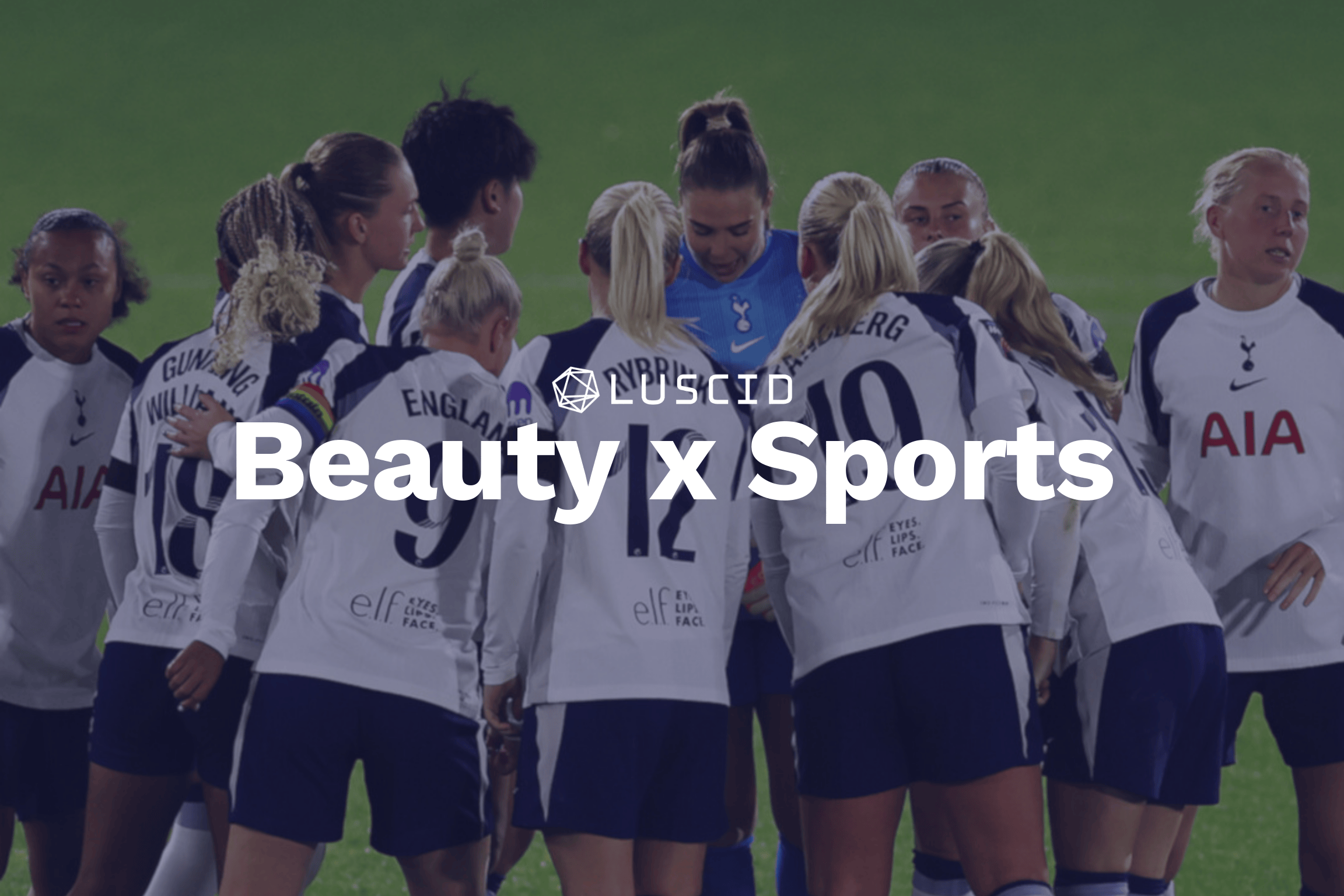
Beauty has conquered almost every cultural stage: red carpets, fashion weeks, TikTok trends, celebrity routines. But there’s one arena many brands still hesitate to enter: sport.
Nowadays, the beauty and sports industries are increasingly intersecting, and smart cosmetic brands are getting in the game. It is not just about celebrity athletes promoting skincare on social media. It’s about strategy, lifestyle alignment, and overlooked opportunities that speak directly to the modern consumer.
And while some beauty brands are still on the sidelines, others are already capitalising on one of the fastest-growing and culturally rich marketing platforms available today.
At Luscid, where we analyse nearly 3,000 sponsorship briefs a year, the shift is unmistakable: beauty has become one of the most under-leveraged yet high-potential categories in sport sponsorship.
What’s fuelling this movement?
1. The rise of female participation and viewership
From the WNBA to women’s football to the F1 Academy, female-led leagues are seeing record-breaking growth. The WNBA’s 2024 season averaged 1.19 million viewers on ESPN platforms — a 170% increase year-on-year (ESPN). On a global level, 50% of all WNBA fans are female (Luscid / GWI). Meanwhile, the Formula 1 fan-base globally is also trending in a similar direction – with 34.3% of fans being women (Luscid / GWI)
These numbers illustrate: it’s not just “women watch sport” — the fan base is diversifying, growing, and becoming more valuable. These new communities represent empowerment, individuality, and self-expression – values beauty brands already own.
2. Athletes are becoming beauty influencers/ambassadors
Modern athletes aren’t just competing, outside the track or stadium they’re creators, style icons, trend-setters. And brands are leveraging this to bridge sport and beauty meaningfully. Take Bianca Bustamante, a rising star in motorsport who partnered with Anastasia Beverly Hills, or Alex Albon representing CeraVe.
According to research, sports sponsorships “drove an average 10% lift in purchase intent among the exposed fanbase.” (Nielsen Sports).
Also, fans of women’s sports in general are 2.5 times more likely to purchase a brand / product that sponsors their favourite sports team or organisation (Luscid / GWI)
3. Beauty and sport are both lifestyle categories
In 2025, beauty isn’t just “getting ready” — it’s daily performance, recovery, wellness, self-expression. It’s no longer strange to see foundation in a gym bag or SPF in a tennis kit — it’s expected. And as wellness becomes mainstream, the lines between skincare, fitness, and performance are blurring.
Sports sponsorship gives beauty brands a live, performance-based stage to prove claims, such as sweat-proof, heat-resistant, long-wear, where it matters.

Photo credits: Charlotte Tilbury Beauty, La Roche-Posay, Neil Favila
Who’s already sponsoring?
A growing group of beauty brands is already showing what’s possible in sport. e.l.f. is active across the NWSL, Tottenham Hotspur FC Women and the Billie Jean King Cup; Maybelline works with the WNBA, WWE and Naomi Osaka; NYX with Angel City FC; L’Oréal across Indian Wells, the X Games and Iga Świątek; and essie with the New York Liberty.
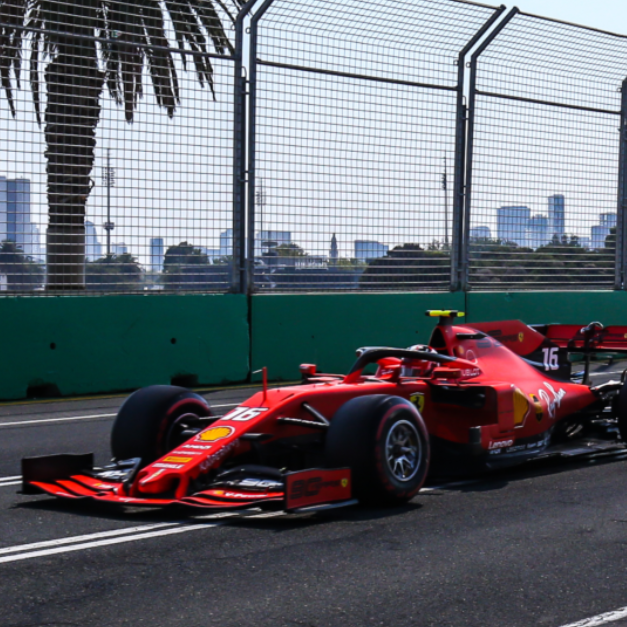
Luxury brands are moving too. Charlotte Tilbury has stepped into the F1 Academy, ELEMIS has partnered with Aston Martin’s Formula One Team, La Roche-Posay has built visibility across tennis and Formula 1, Laneige has entered esports with T1, and Fenty Beauty continues to expand with the New York Liberty.
What’s striking is how diverse these moves already are — spanning leagues, athletes, esports, motorsport and major global events. Yet even with this progress, the category remains one of the most under-served in sponsorship.
Missed Opportunity – long-lasting makeup
Brands invest millions developing sweat-proof, waterproof, heat-resistant formulas. So why aren’t more putting those claims to the test real-time, under pressure, in real performance conditions?
For example, artistic swimming is built around water, performance, beauty, and athleticism. Yet, few cosmetic brands have leveraged this powerful platform.
At Luscid, we see this gap not as a problem, but as a missed opportunity.
Luscid’s strategic insights for beauty brands
Luscid’s platform evaluates sports properties using brand values, audience fit, and budget. For beauty brands focused on values like creativity, confidence, affordability, and self-expression, a clear pattern emerges.
Across our data, the strongest opportunities for affordable beauty brands sit within:
- Cycling – wellness-led, outdoors, gender-diverse, community-driven;
- Swimming – natural fit for long-wear and waterproof;
- Marathon & Running – huge participation base and credibility for endurance claims;
- Soccer – massive global scale with young, diverse fanbases;
- Athletics – high visibility in major global events and high-performance narratives ;
These sports offer the best alignment across demographics, media visibility, engagement potential, and brand storytelling opportunities.
What about luxury brands?
For high-end cosmetic brands, the opportunity lies not in scale but in selective, image-enhancing partnerships that speak to sophistication, exclusivity, and glamour.
Based on Luscid data, the strongest opportunities appear in:
- Tennis – global prestige, elegant aesthetics, culturally rich fashion moments;
- Cycling – affluent, health-conscious audiences with strong lifestyle identity;
- Soccer – international reach with high-value hospitality environments;
- Winter Sports & Skiing – luxury travel, premium resort culture and high-spend audiences;
- Marathon & Endurance Events – wellness-led, performance-driven, strong brand credibility;
These sports are known for elegance, affluent audiences, and premium hospitality offerings.
Take tennis, for example: events like Wimbledon, the Monte-Carlo Masters, or the US Open blend high fashion with high performance, offering a perfect setting for on-site activations, VIP gifting lounges, or premium skincare refresh bars. A luxury skincare brand could sponsor a player known for their grace and style or even create a custom product drop tied to a Grand Slam moment.
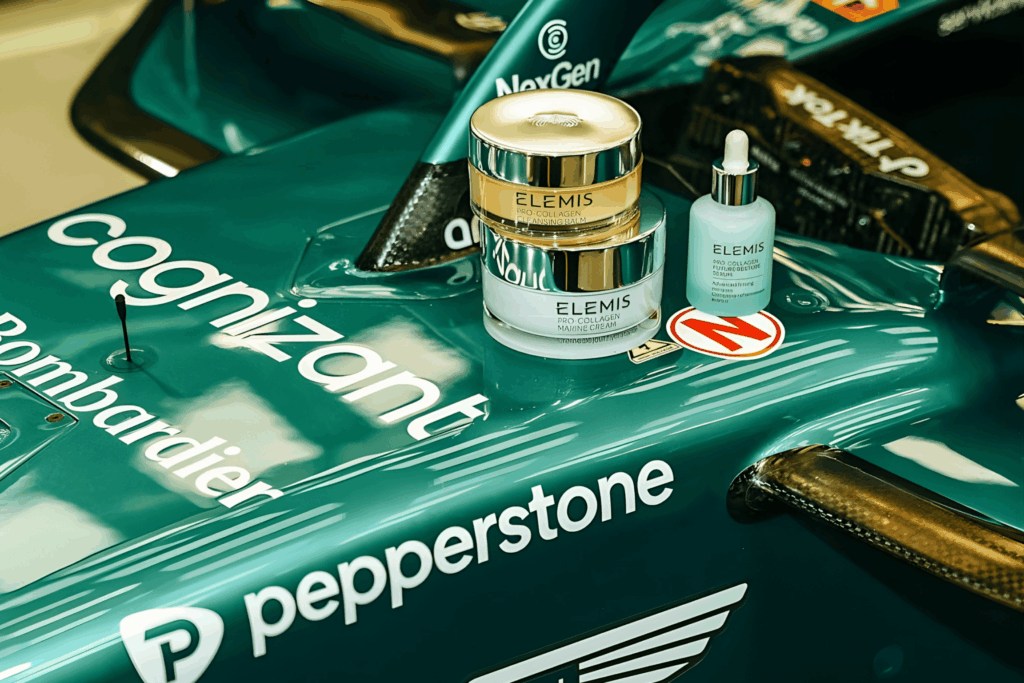
Photo credits: Aston Martin Aramco Formula One Team
A brand already acting on this opportunity: ELEMIS × Aston Martin
The best evidence of how luxury beauty in sport is evolving comes straight from one of Luscid’s platform advocates: ELEMIS.
“Formula 1 has undergone a remarkable transformation; the sport has become a cultural phenomenon. At ELEMIS, we saw this evolution not just as a moment in sport, but as a meaningful opportunity. As a brand rooted in innovation and purpose, we are inspired to celebrate the growing female fanbase and champion the remarkable women breaking barriers within the world of F1, on and off the track.
Our approach is empowering and truly listening to our communities. It’s showing up where our audiences are and reflecting their passions and interests. Just as F1 is redefining what it means to be a fan, ELEMIS is redefining how and where beauty and skincare belongs.”
— Amy Mansell, ELEMIS Global Partnerships Director
ELEMIS’ perspective reflects what our data shows: luxury beauty in sport isn’t a trend — it’s a brand-building strategy grounded in culture, audience relevance and premium experience design.
Why act now?
Beauty consumers are increasingly sports-engaged – quietly, but massively. In fact, 82% of Gen Z sports fans identify as beauty enthusiasts (GWI). Beauty buyers are already in the sports audience — it’s simply a connection the beauty industry hasn’t fully explored yet.
And the audiences inside sport aren’t just wide, they’re valuable. Sports fans are more brand-loyal than the general population. Nielsen shows that 67% of global football fans are more likely to prefer brands that sponsor their favourite events, compared to 54% of the general population.
This brand affinity extends to premium segments too: 47% of US sports enthusiasts are willing to pay more for luxury brands, compared to 28% of the general population (YouGov). For beauty brands, especially skincare and luxury cosmetics, this combination of high engagement and high willingness to spend is powerful.
At the same time, the economics of sponsorship are shifting fast. McKinsey reports that growing sponsorship momentum expanded the women’s sports market by more than $250 million in 2024. As demand rises, sports sponsorship assets are becoming more expensive, and early movers tend to secure better visibility, stronger storytelling territory, and more favourable commercial terms.
The performance upside is already clear: sports sponsorship recall in women’s sport shows 20% higher brand recall rates and 2x the social media engagement rates per post versus men’s sport (Nielsen, Parity).
The momentum is building. As the landscape evolves, prime opportunities get quickly claimed, assets get pricier, and the authentic vantage gets harder to own.
Consumers want authenticity. They crave proof that “24h-wear” means something. What better testing ground than a triathlon or a swimming event? What better backdrop than a Grand Slam or a race weekend?
Where Luscid fits in
For beauty brands debating whether to play in sport, sponsorship does not have to be a gut feel.
Luscid’s platform analyses thousands of sponsorship properties based on brand values, target audience, marketing goals, and budget – helping brands identify where they can show up authentically, creatively, and with impact.
The opportunity is here. The audience is ready.
The only question is which beauty brands will move first, and which will be catching up.




Stay Updated with Luscid
Be the first to receive exclusive sponsorship insights, industry trends, and platform updates.